The scale story
Comcast
The job was to make all of that behave like one product company.
I arrived at Comcast the way most founders don't: as the acquisition's named key executive and the only founder retained, with a mandate that amounted to protecting what made the startup fast while giving it the resources of a giant. Xfinity Home had launched in 2011 on our platform, Comcast's first new product line since voice service in 2005. The 2017 acquisition turned it into a full division, and I ran product and ecosystem for it for six years, through two renewed retention contracts.
- Shared P&L, acquisition to 2022 peak
- $500M → $750M+
- Active homes, and over thirty million sensors
- 4M
- Video surveillance, a business built from zero inside a business
- 3M cameras / 1.4M households
- Running as the highest-NPS product at Comcast and Sky
- 5 yrs
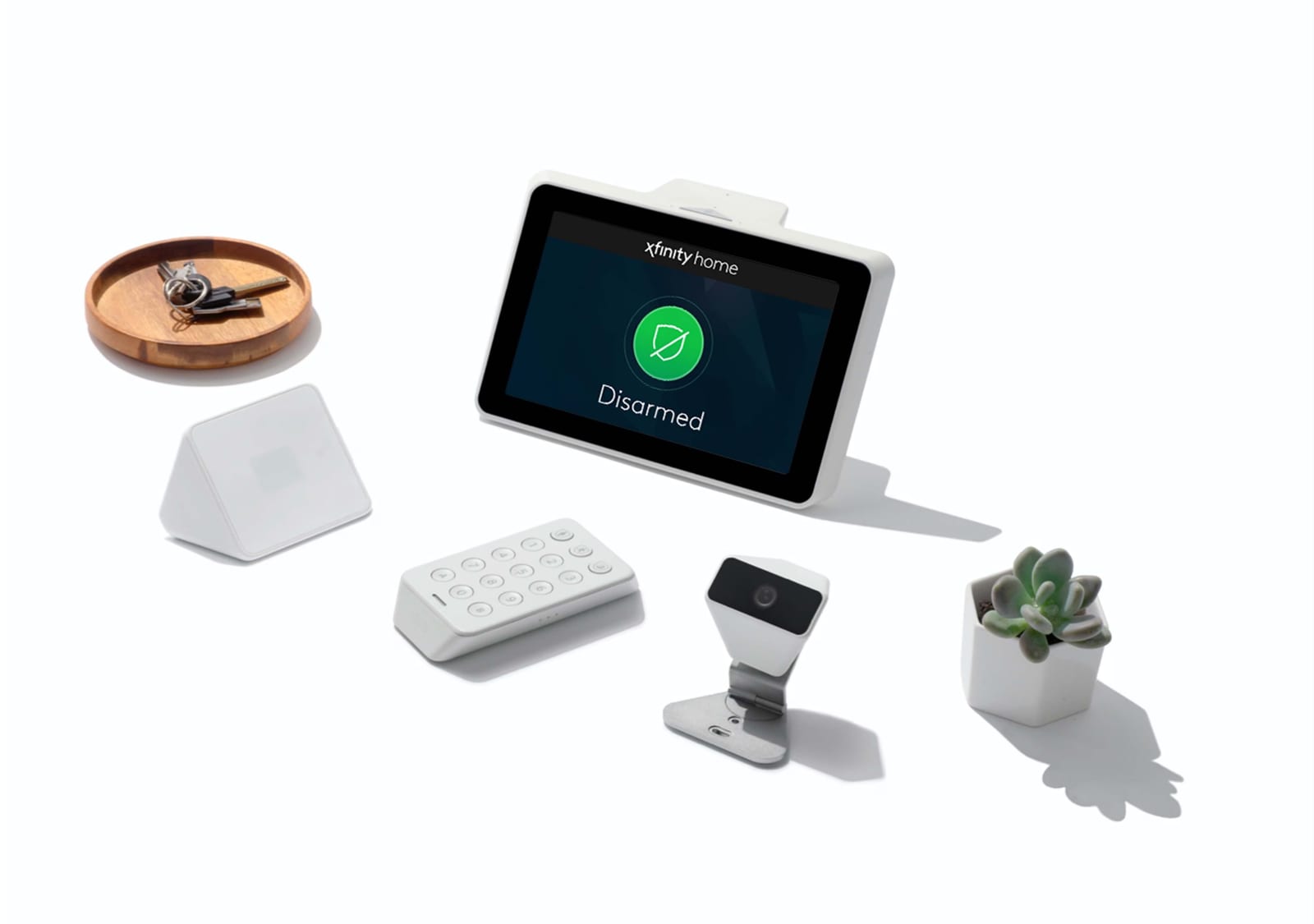
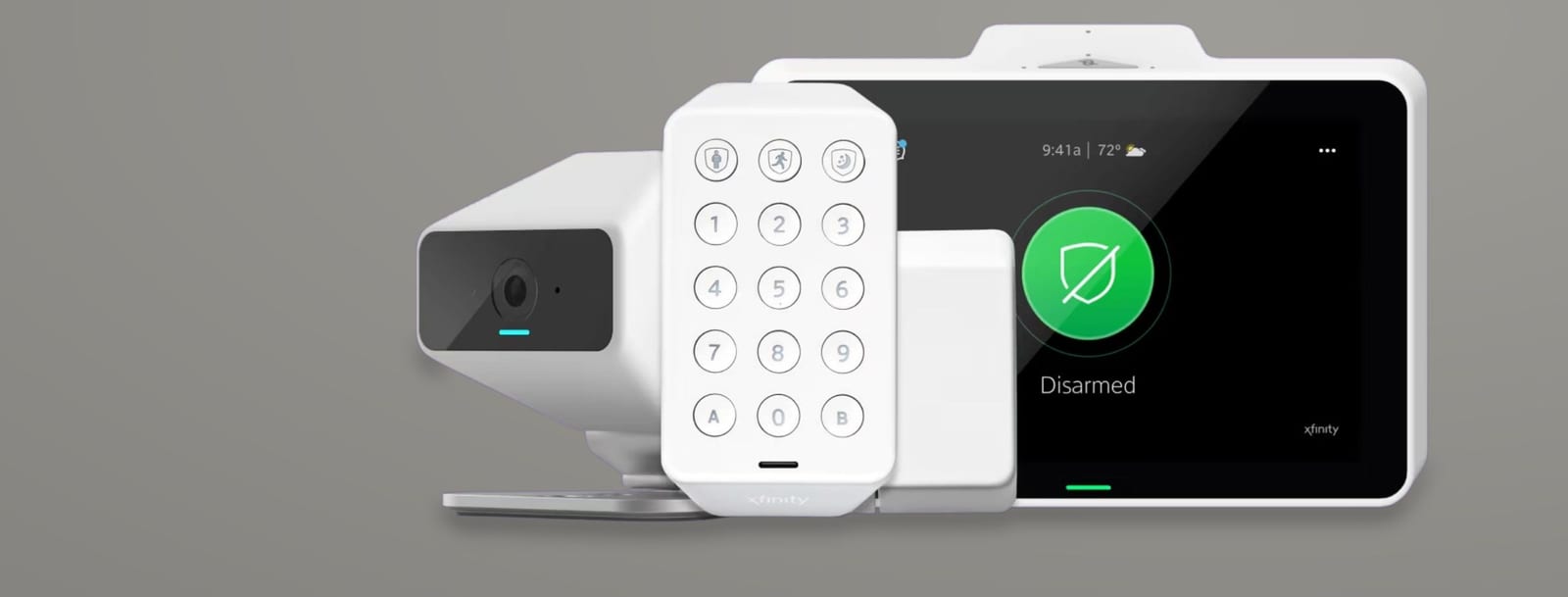
The scale was a different universe. A shared division P&L that grew from about $500 million at acquisition to more than $750 million at its 2022 peak, with my product line at its core: devices, ecosystem, monitored security, and cameras. When the forecast did anything but meet expectations, my phone rang first. Four million active homes and over thirty million sensors. The team reporting to me was deliberately small: twenty-five-plus product managers and product marketers across five sites, spanning Comcast in the US and Sky in the UK and Europe. That team carried the portfolio from strategy to roadmap to launch, directing execution across hundreds of people in Comcast's matrixed organization: design, program management, software development, operations, retail, and support all delivering against priorities we set. Add the site-executive role for Comcast Austin and its 160-plus people, and the job was clear: make all of it behave like one product company.
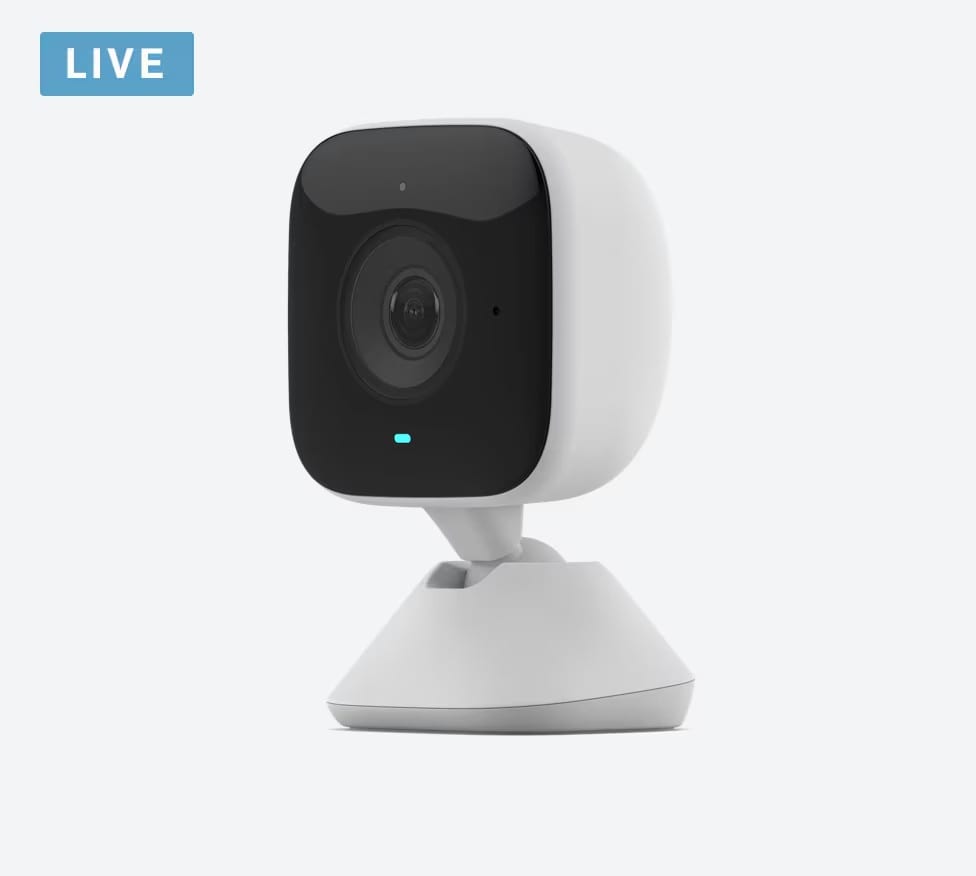
Some of it we built from nothing. The video surveillance line started at zero and grew to three million cameras across 1.4 million subscribing households paying twenty dollars a month, a business created inside a business. From 2019 on, we were shipping AI into those homes: video object detection first in the cloud, then rebuilt on a hybrid edge and cloud architecture for privacy, cost, and fewer false alarms; audio detection running at the edge with updateable sound profiles; anomaly detection that learned each home's rhythms; AI intrusion detection with human verification before dispatch. This was production AI serving millions of households, years before the industry made it a slogan.
Some of it was fixing how the machine ran. We modernized the division's product development process and got three times more releases per year, support costs down more than thirty percent, and NPS up twenty points. The connected home became the highest-NPS product at Comcast and Sky and held that position five years running. The B2B platform business survived the acquisition intact, kept Cox, Rogers, and the other operators, and added Shaw Cable as a new customer. Four acquisitions were evaluated, closed, and integrated. The IP program got rebuilt on the uControl model, and the standards work culminated in Matter; both of those are their own stories on this site.
Some of that work now hides in plain sight. I drove Matter-capable silicon into the broadband gateways themselves; my teams partnered with the hardware designers, the gateway manufacturers, the chipset makers, and the RF labs, because making Zigbee and Matter coexist beside high-power Wi-Fi 6E in a single box had never been done. I pushed Silicon Labs to an industry first along the way: both standards running live on the same chip at the same time, in production, not a lab demo. It's all table stakes for the industry now. The standard I helped create ships embedded in the hardware that anchors the network, and we did it without ever putting the machine that pays for everything else at risk.
In 2022, broadband subscribers declined for the first time in the company's history, and Comcast rationally refocused on its core. The division I'd built was folded into broadband, and budgets followed. I left in January 2023, two months before my second retention contract ended, with the exit structured so that several roles on my team survived the cuts. The next chapter was already forming at the edge.