
The edge story
Simple Things
Intelligence should live where the people are.
When the creator of Android asked me to join Simple Things as SVP of Product and a core member of a new senior leadership team, the company had extraordinary technology in search of a market: a deep base of edge-AI capability, backed by a16z, waiting for someone to guide what it should become. That was the mandate in three parts: fix the product pipeline, find the market, land customers.
- IoT devices shipped across LoRaWAN, Matter, and Wi-Fi
- 11
- Signed customer LOIs, inside a year
- 3
- Core platform patent applications, filed in a single year and still in prosecution
- 3
- The year the funding market closed the window
- 2023
The thesis has aged well. Intelligence should live where the people are, at the edge, and the cloud should be the escalation path rather than the default. We built a privacy-first platform that paired local edge AI with frontier models: what could be sensed, decided, and acted on locally stayed local, and only what needed heavier reasoning went up. In 2023 that was a contrarian architecture. It is now, roughly speaking, the industry's roadmap.
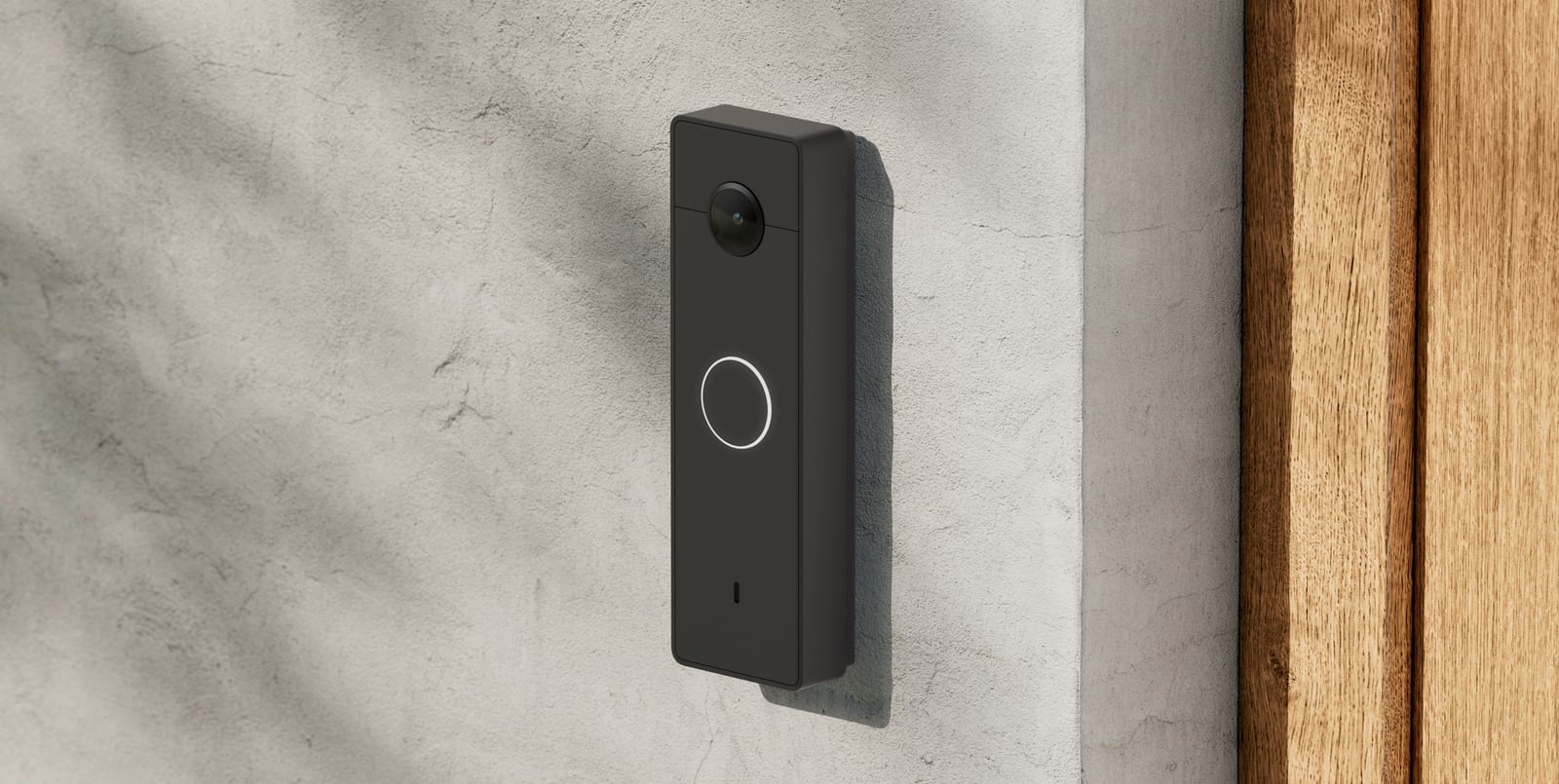
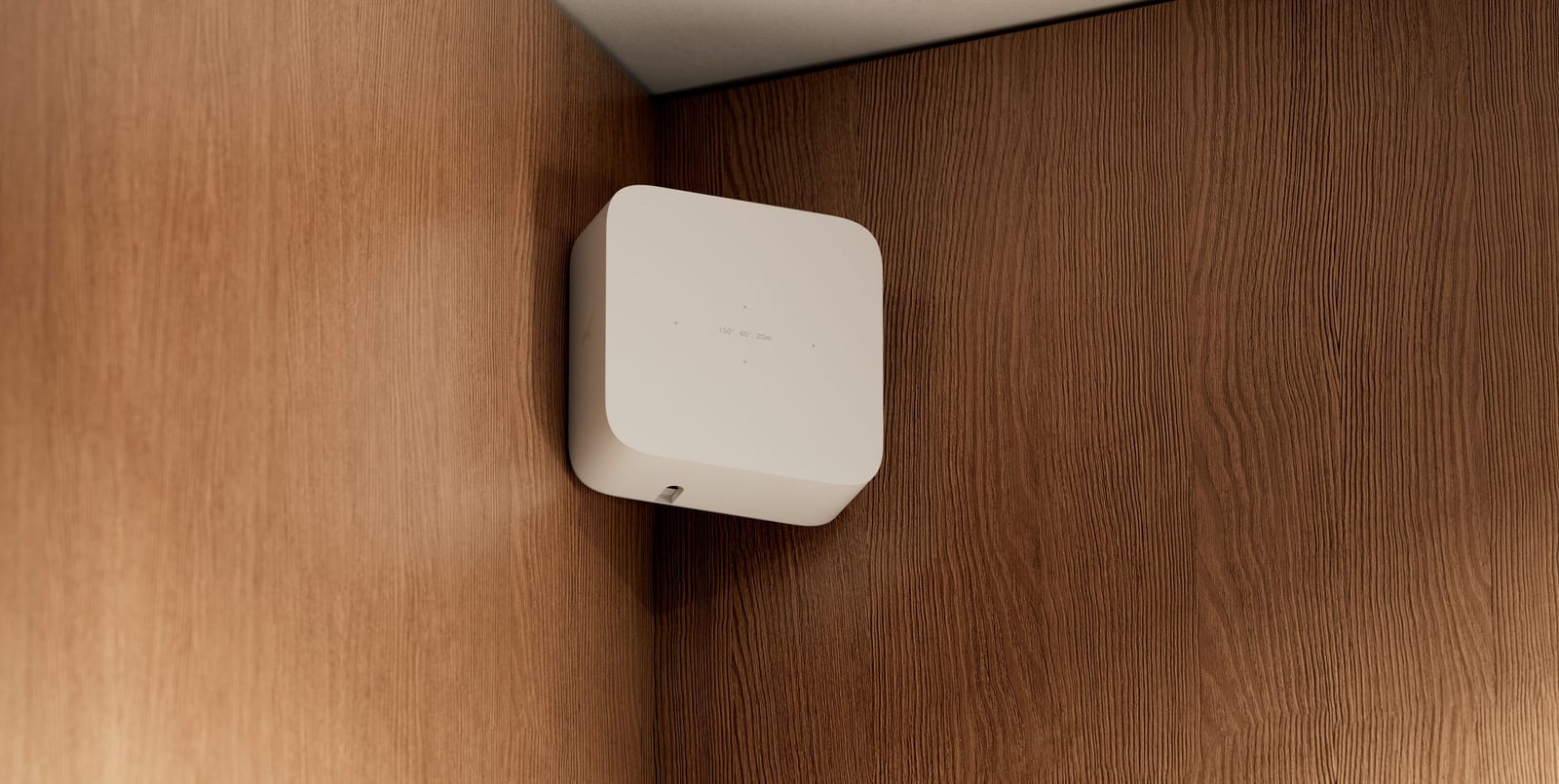
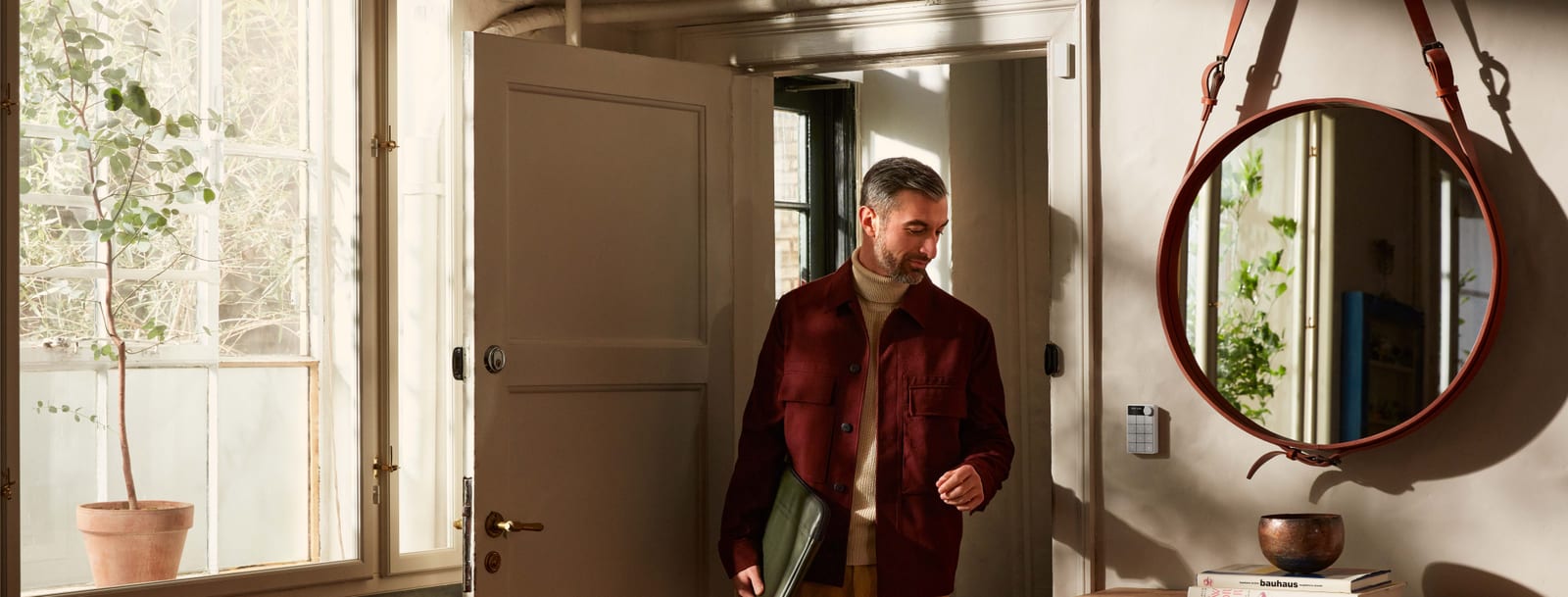
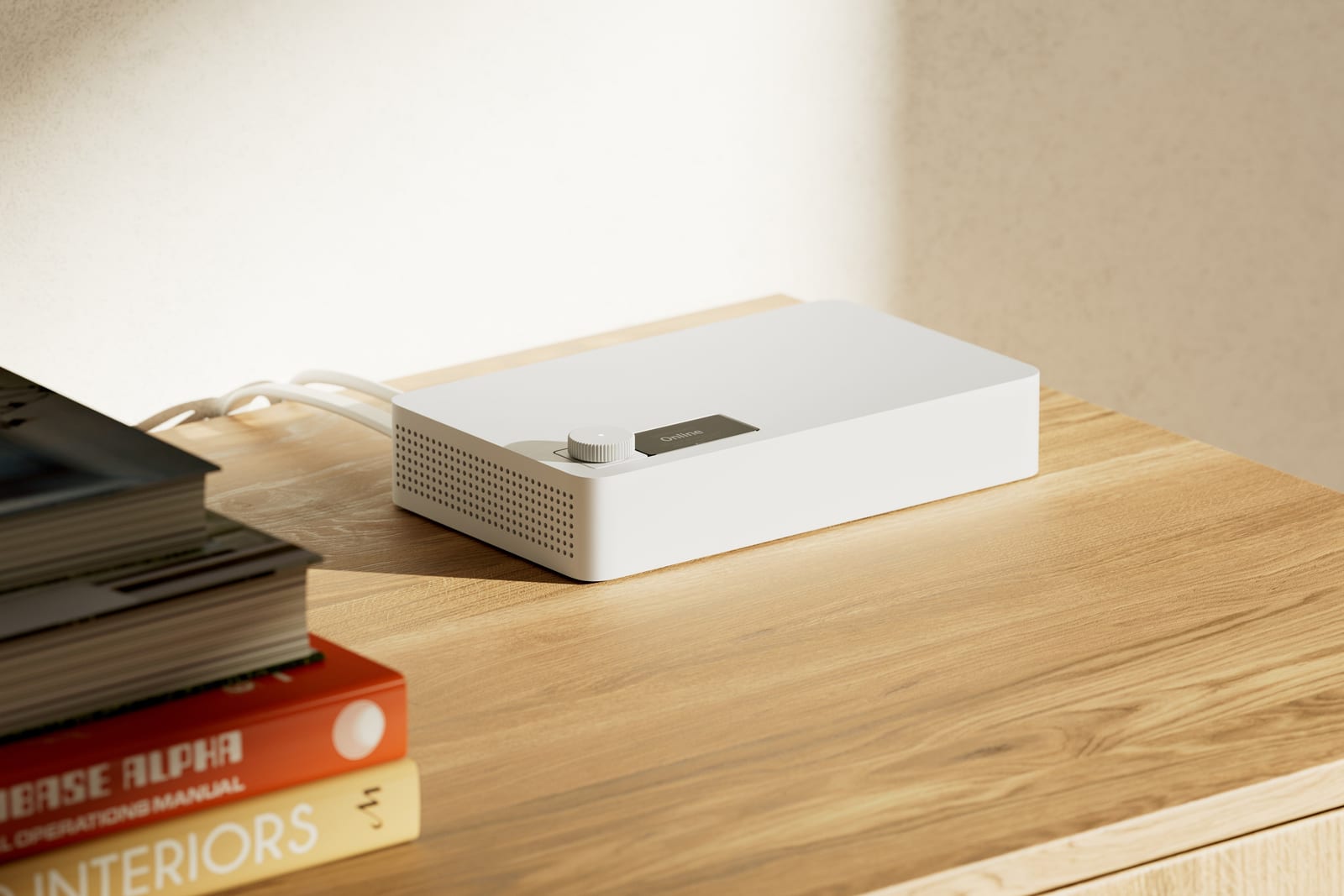
The products made the thesis concrete. We designed fourteen IoT devices and shipped eleven of them, with a design language that was its own statement: playful, precise, and meant to sit in the open and be touched, in a category that had spent decades apologizing for its hardware by hiding it. We built presence into the platform itself: the building understood occupancy, computed locally, without surveilling the people in it. The invention pace matched the ambition: the platform's core patent applications, covering microservices, smart-building architecture, and flow programming, were filed that year and remain in prosecution today.
The building side of the platform
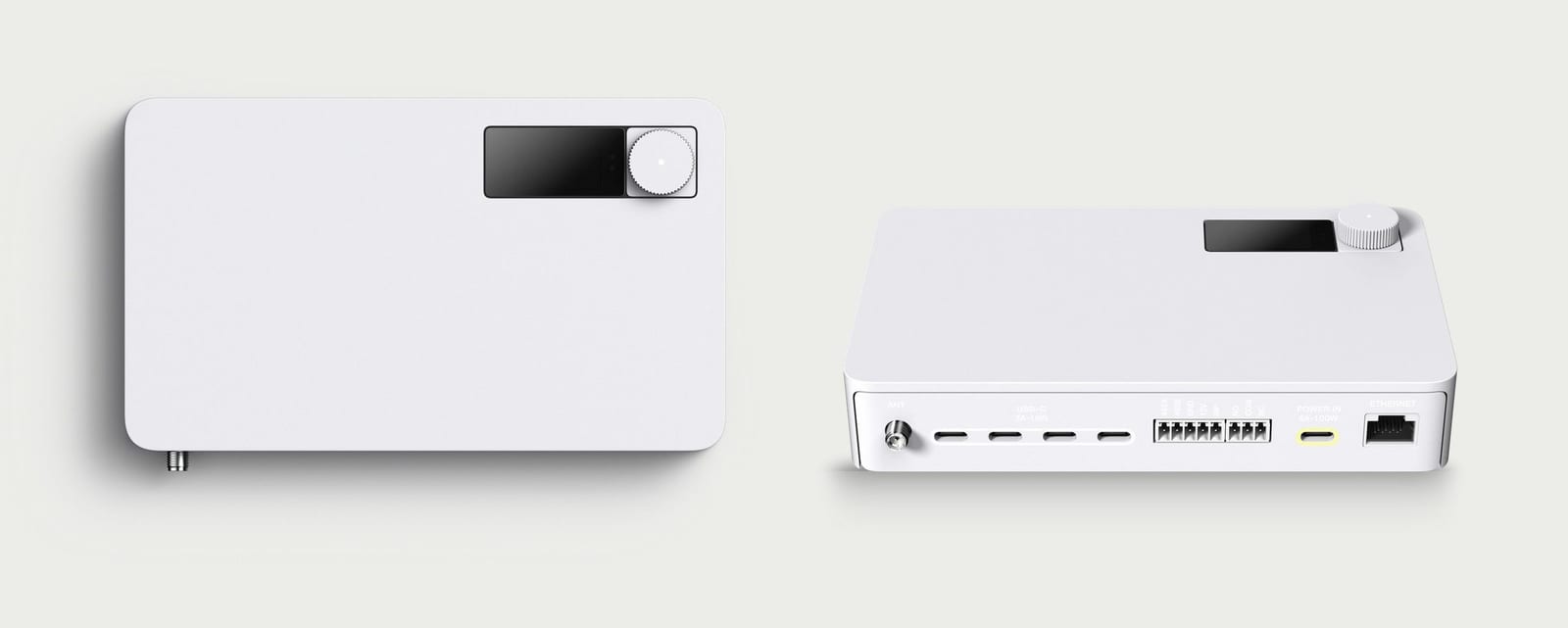
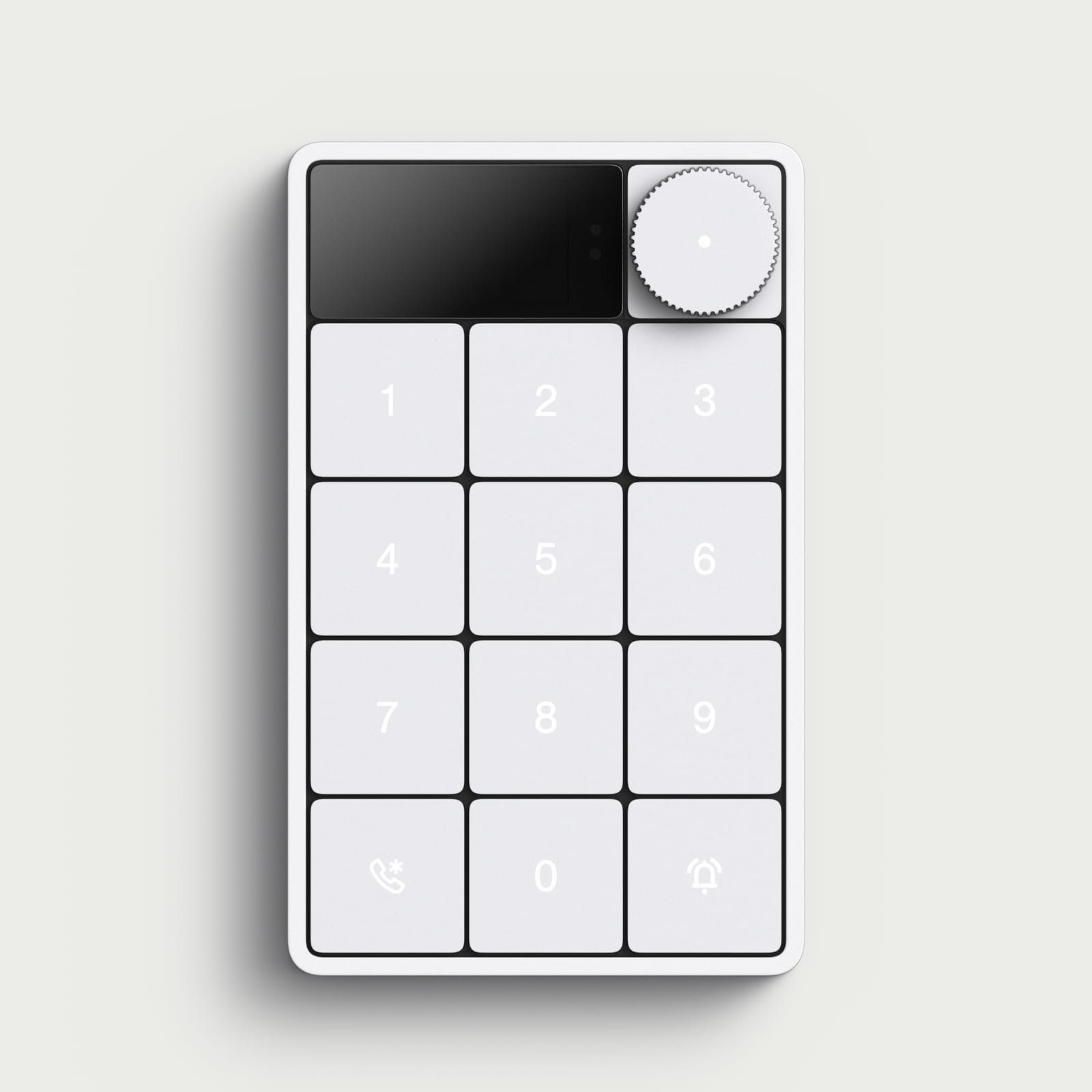
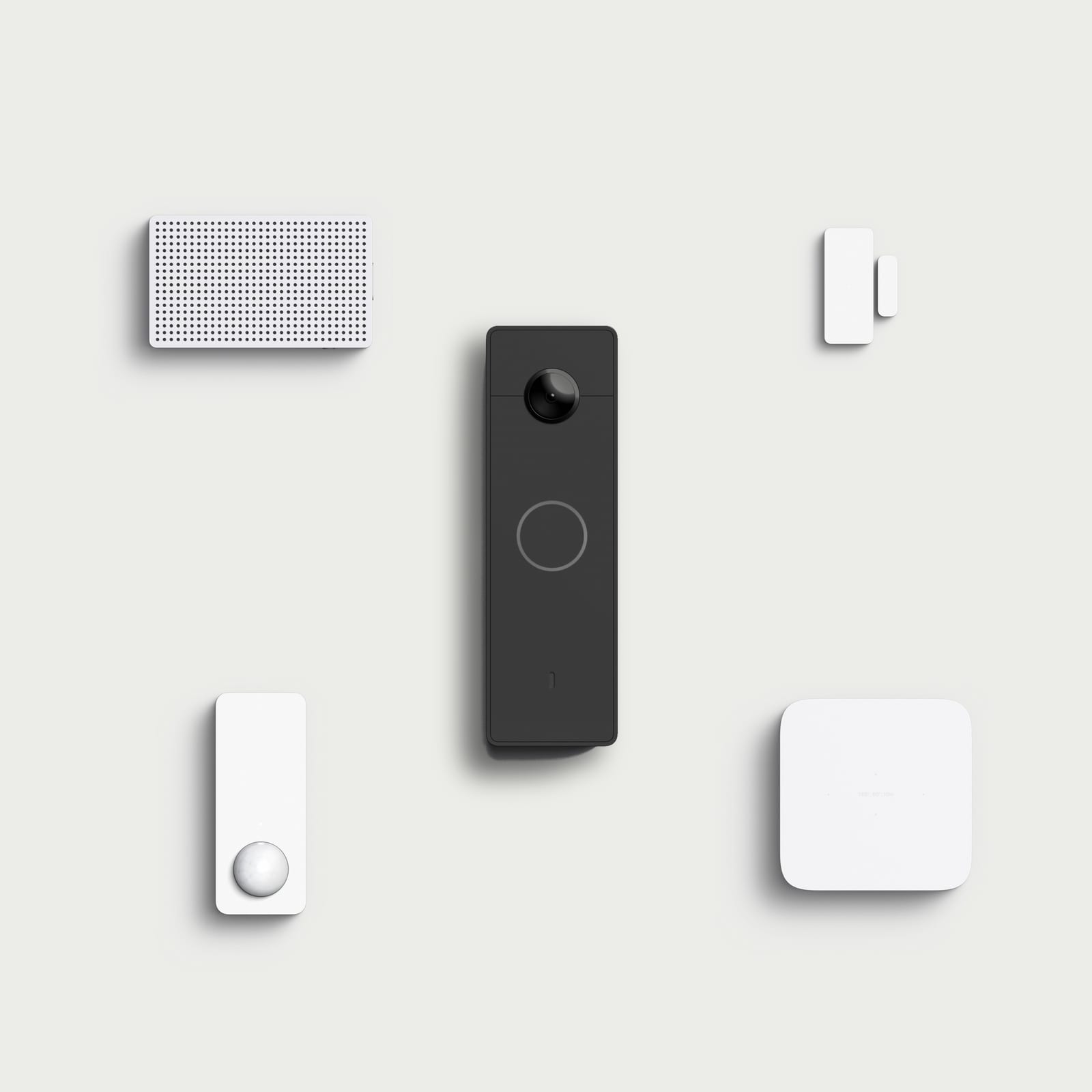
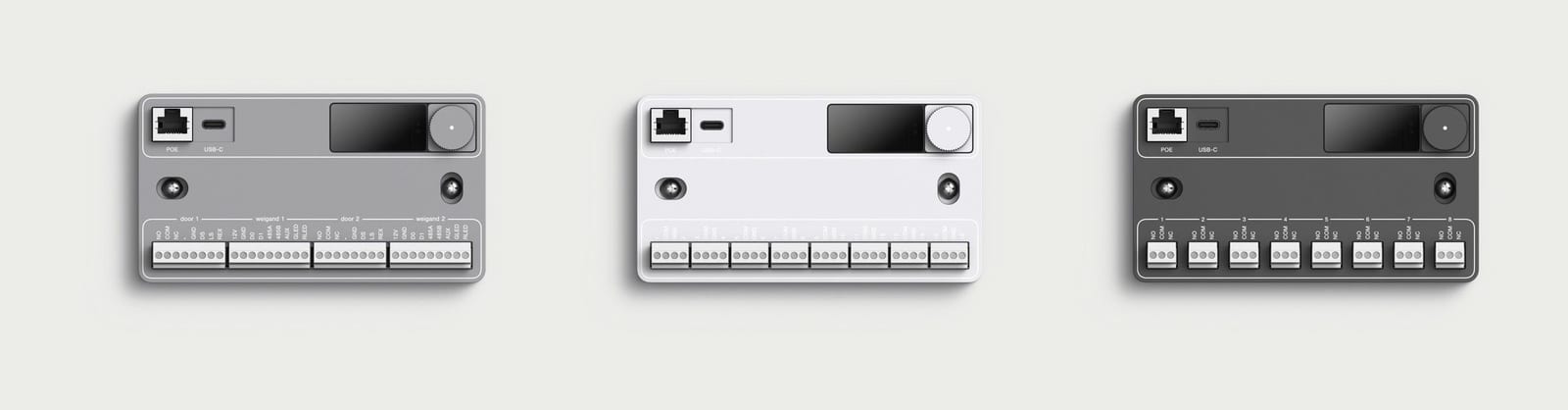
The market answered. Inside a year we went from technology in search of a market to three signed customer LOIs. Then the 2023 funding market closed the window, as it did for a generation of hardware companies, and the honest move was the disciplined one. I led the wind-down with the founder: manufacturer commitments renegotiated, the team placed, and the IP preserved. Those inventions since transferred to Rubin's next venture, Genki Robotics, which is its own kind of validation. Companies end; good inventions don't.
What I took with me was the architecture. The burned-in conviction that the edge is where consumer AI belongs went straight into the next chapter, where the building itself became the product.