
The building story
Vessel
The building became the product.
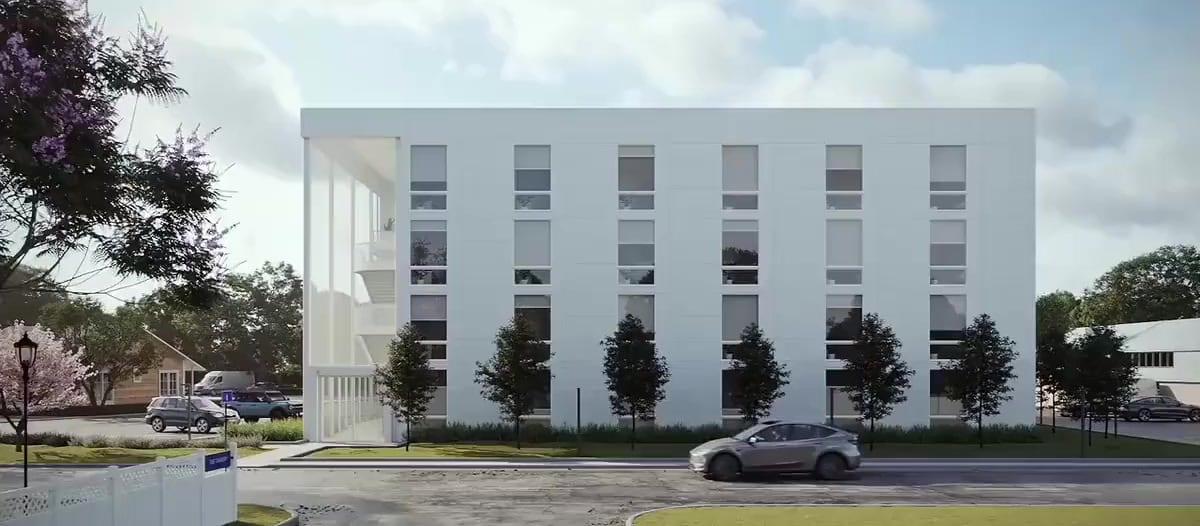
Vessel builds apartment buildings the way technology companies build products: designed as a system, manufactured off-site, assembled in months, and priced so that people who work in a town can afford to live there. The board pulled me in through an investor who knew me from the iControl and Comcast years, first as a fractional technology leader with a ninety-day mandate to assess the stack and the team. Ninety days later I converted to full-time SVP of Technology, because the real opportunity was obvious and much bigger than the mandate.
- Lower whole-building technology cost
- 40%
- Buildings covered by one operations team
- 4×
- Units permitted and under construction across six Connecticut communities
- 428
- Units targeted by 2030 with Avanath Capital
- 5,000+
The first job was the first building. Vessel's initial production building was sixty percent complete when I arrived, and we redesigned its technology stack in flight: smartphone access control, connected metering, and building-health monitoring, all surfacing on one dashboard that a small team could use to run many properties. That redesign became the standard for all new construction, and the economics followed: whole-building technology costs down forty percent, and one operations team covering four times the buildings, because an instrumented building can be monitored, repaired, and even shown to prospective residents remotely.
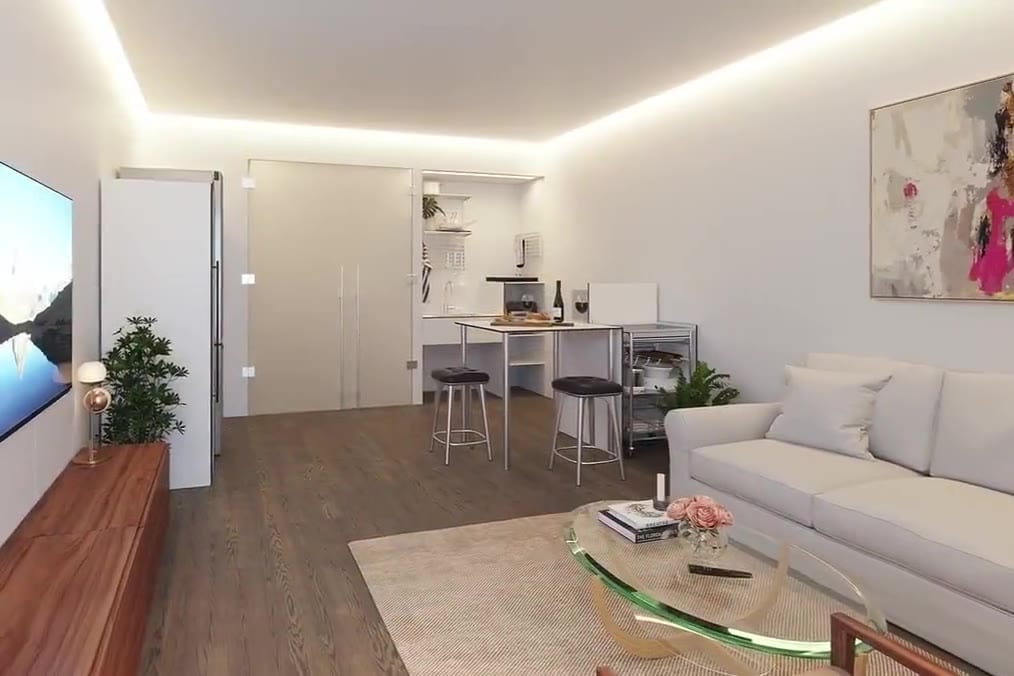
The flagship idea came next, and the board backed it: every Vessel apartment now ships AI-ready, which we believe makes Vessel the industry's first to do it. Each home runs a private, local edge-AI agent that controls the apartment's systems, learns its resident's preferences, and escalates to frontier models only when a question outgrows the local machine. When the resident moves to another Vessel property, the agent's learning moves with them. The apartment is no longer the product. The relationship is.
First the building became the product. Then the relationship did.
One dashboard, many properties
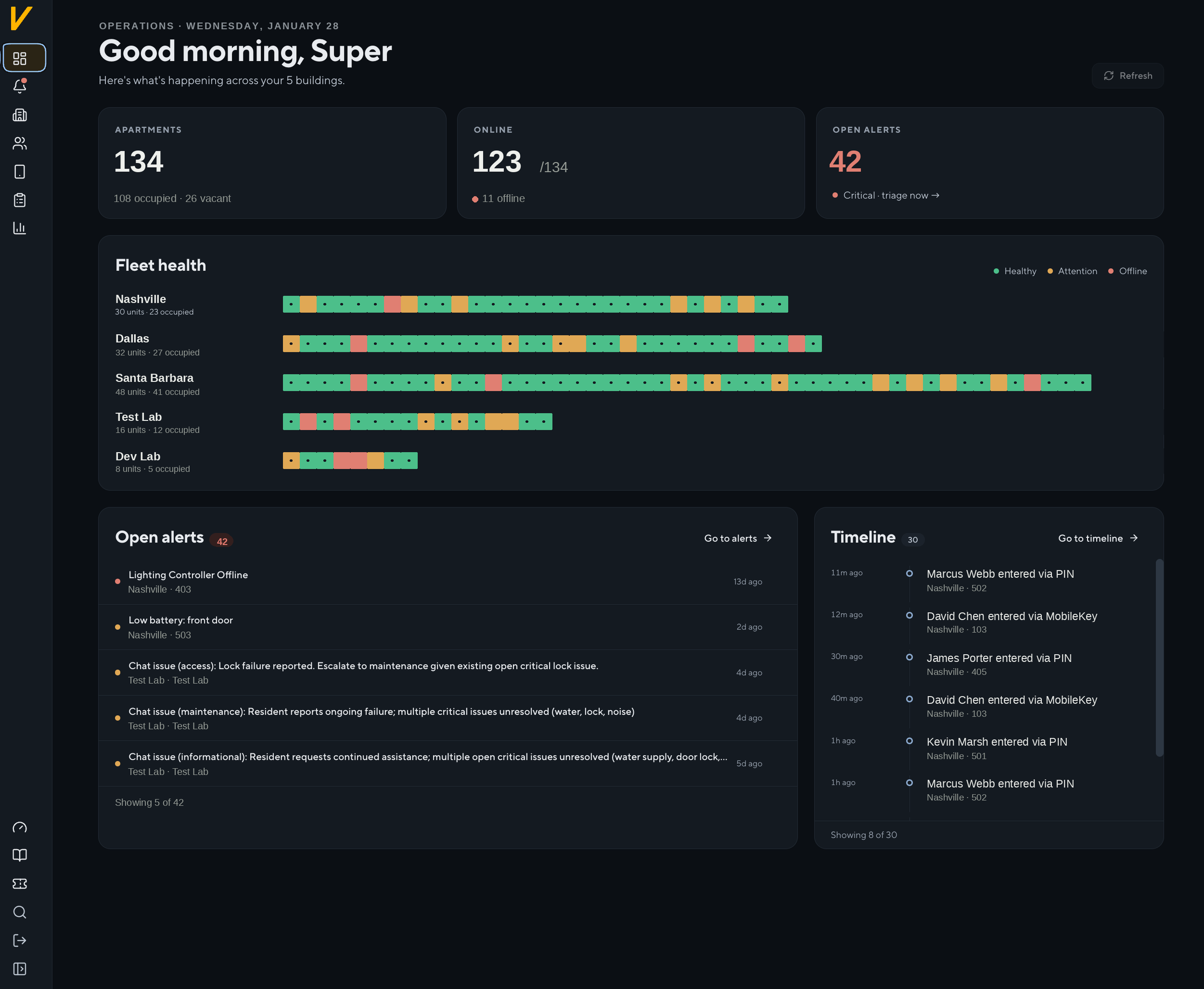
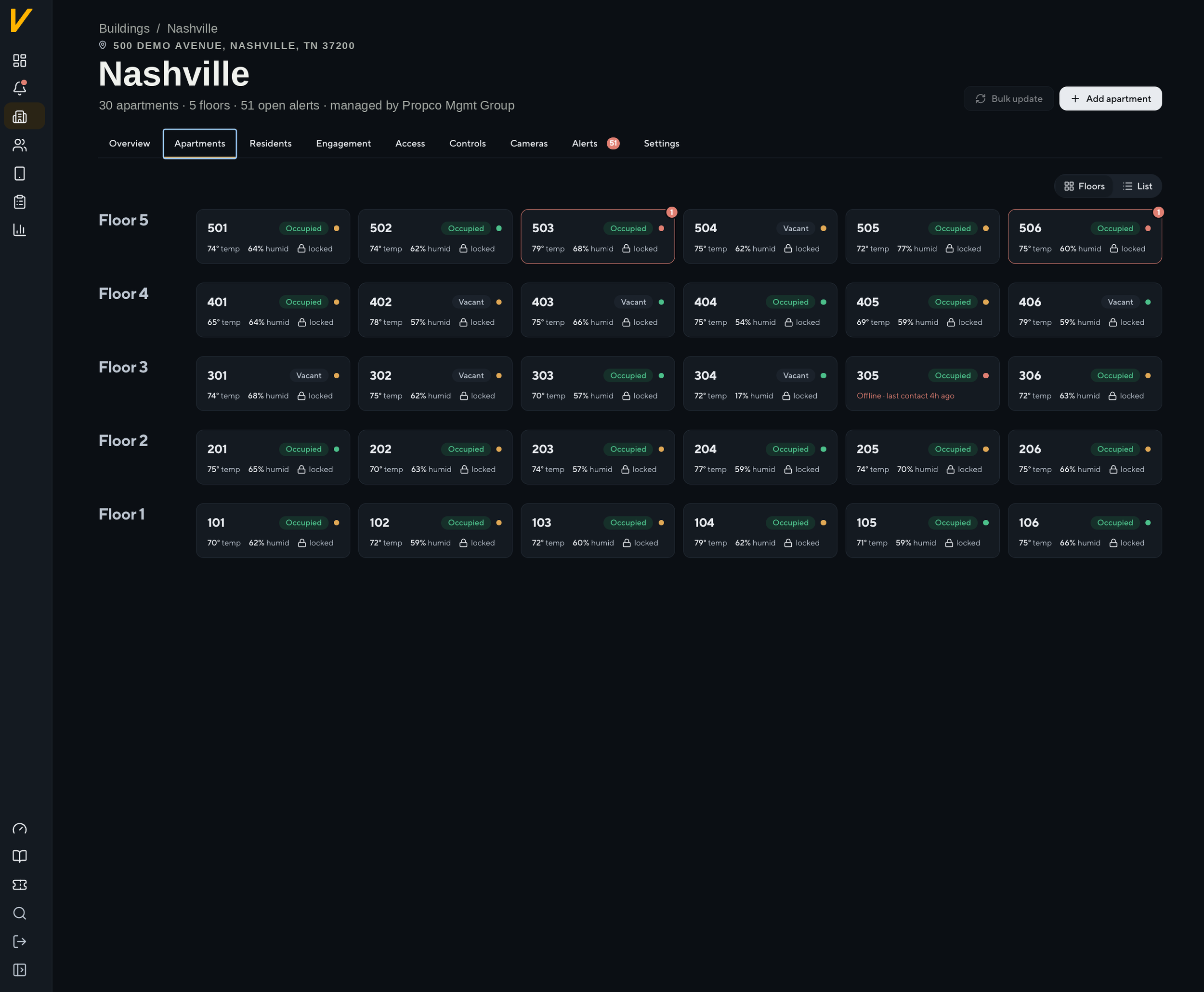
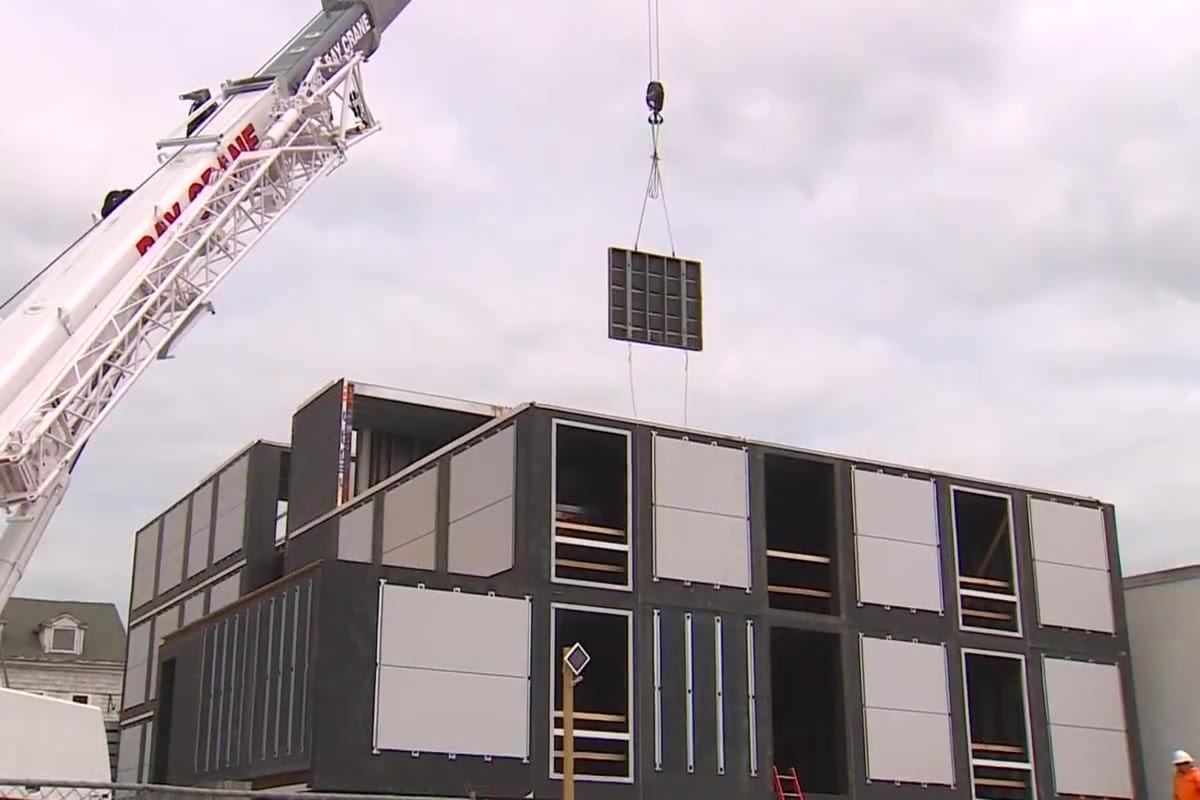
The platform became part of Vessel's growth argument. Buildings go up roughly fifty percent faster at about thirty percent lower cost than traditional multifamily construction, and the technology is one of the reasons the model scales. The announced partnership with Avanath Capital targets more than five thousand units by 2030, with 428 units already permitted and under construction across six Connecticut communities.
This chapter also closed a personal loop. The edge conviction from Simple Things found its fullest expression here: intelligence living where people live, privacy by architecture rather than policy, the cloud demoted to a consultant. And the mission matters to me in a way that compounds the technology: these are exciting, sustainable, attainably priced homes, built for the people every housing market underserves. By April 2026, the platform standard was set, and the plan for the next two years was documented and ready for execution by my hand-picked team. I chose to step back from full-time work there: the job I'd signed up for was done.