The founding story
uControl → iControl
0:002:59
The entire category was waiting to be dragged into the internet age.
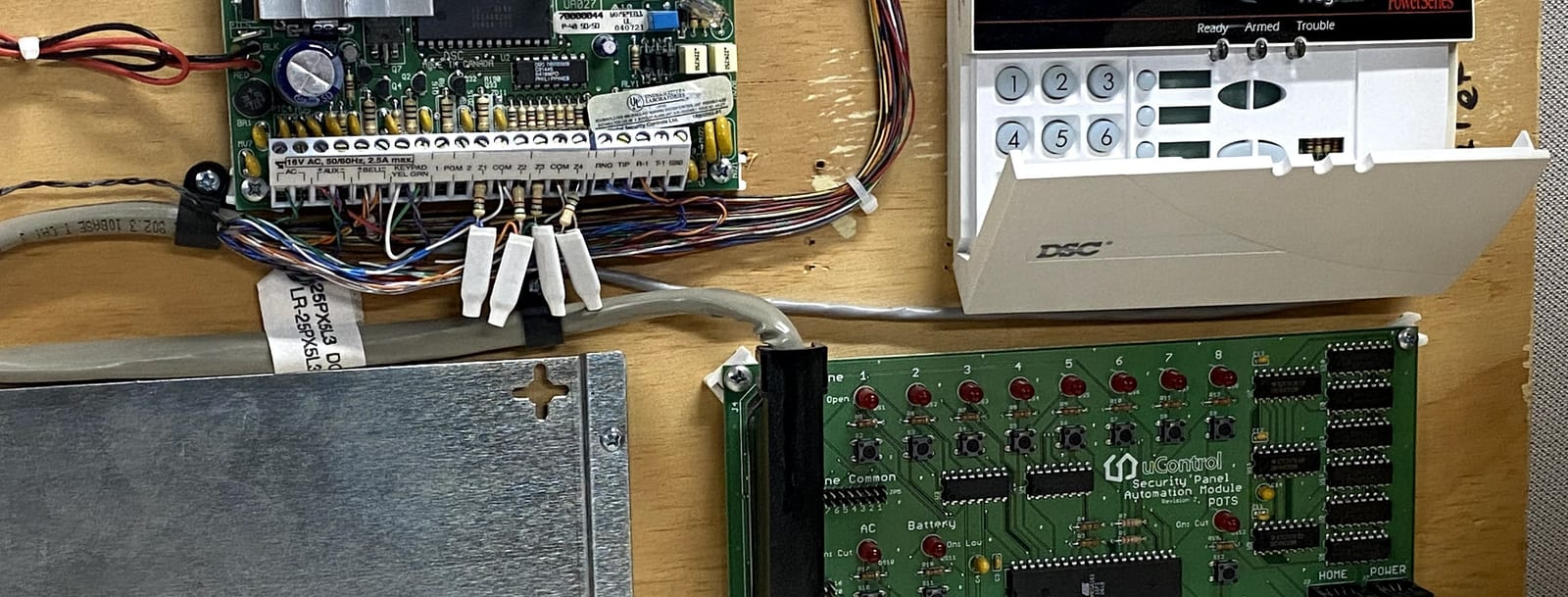
uControl started with a house that couldn't get an alarm. In June 2005, my co-founder Jim Johnson was building a new home when ADT told him a monitored security system would require an analog phone line, because alarm panels didn't work over VoIP. Three of us had just spent years at Motive teaching broadband networks to manage millions of devices, and the security industry was still tethered to a copper wire. We spent our nights and weekends researching the market and building prototypes until the answer was obvious: the entire category was waiting to be dragged into the internet age. That November we quit our jobs and founded the company.
- Approximate revenue at the merged company, which then turned profitable. Company figure, not his P&L.
- $250M
- People at uControl when four operators signed multi-year commitments
- 30
- The rival's funding and headcount in the Comcast RFP
- 2×
- The first all-in-one touchscreen alarm system, announced with Rogers
- 2008
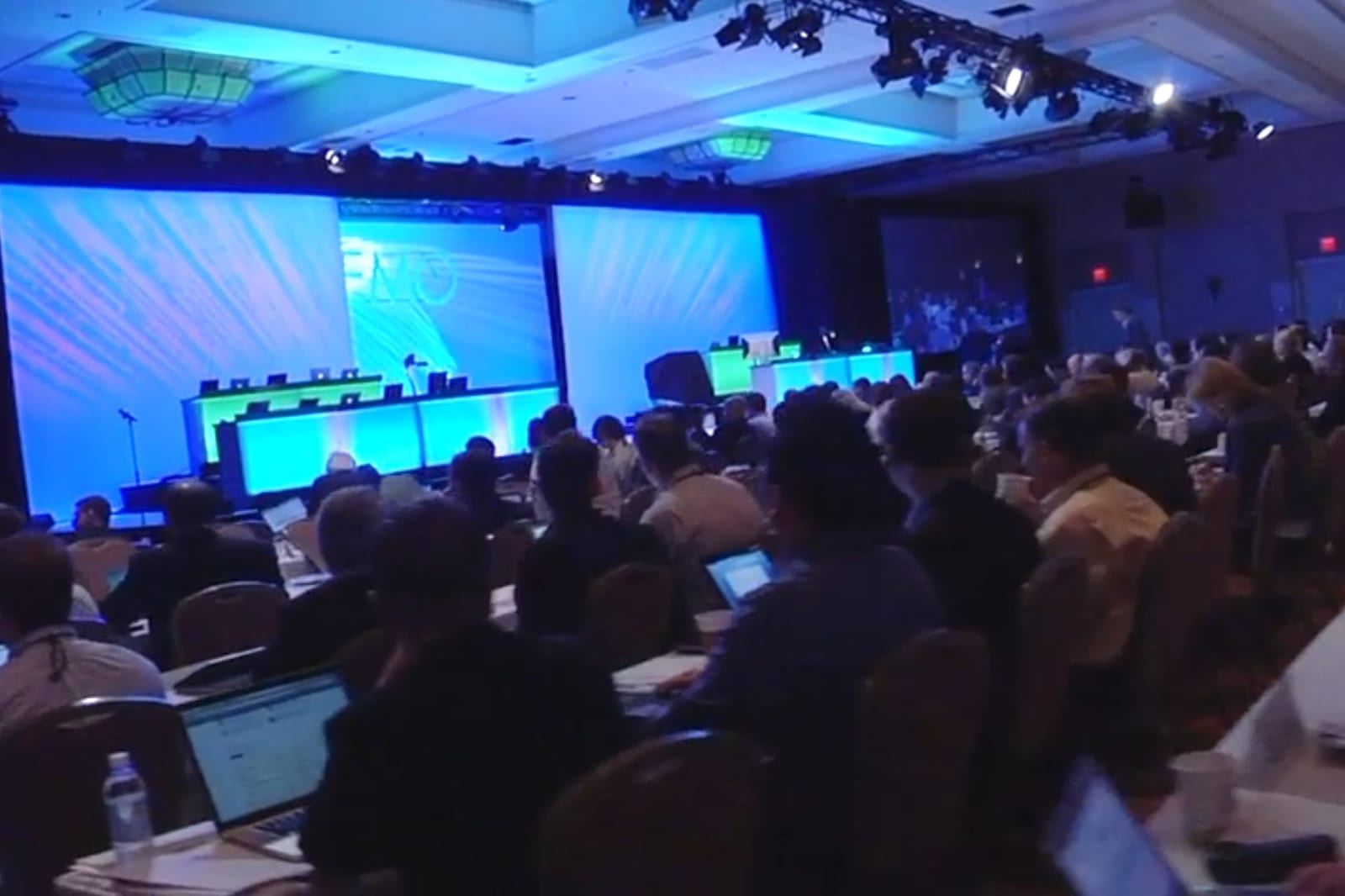
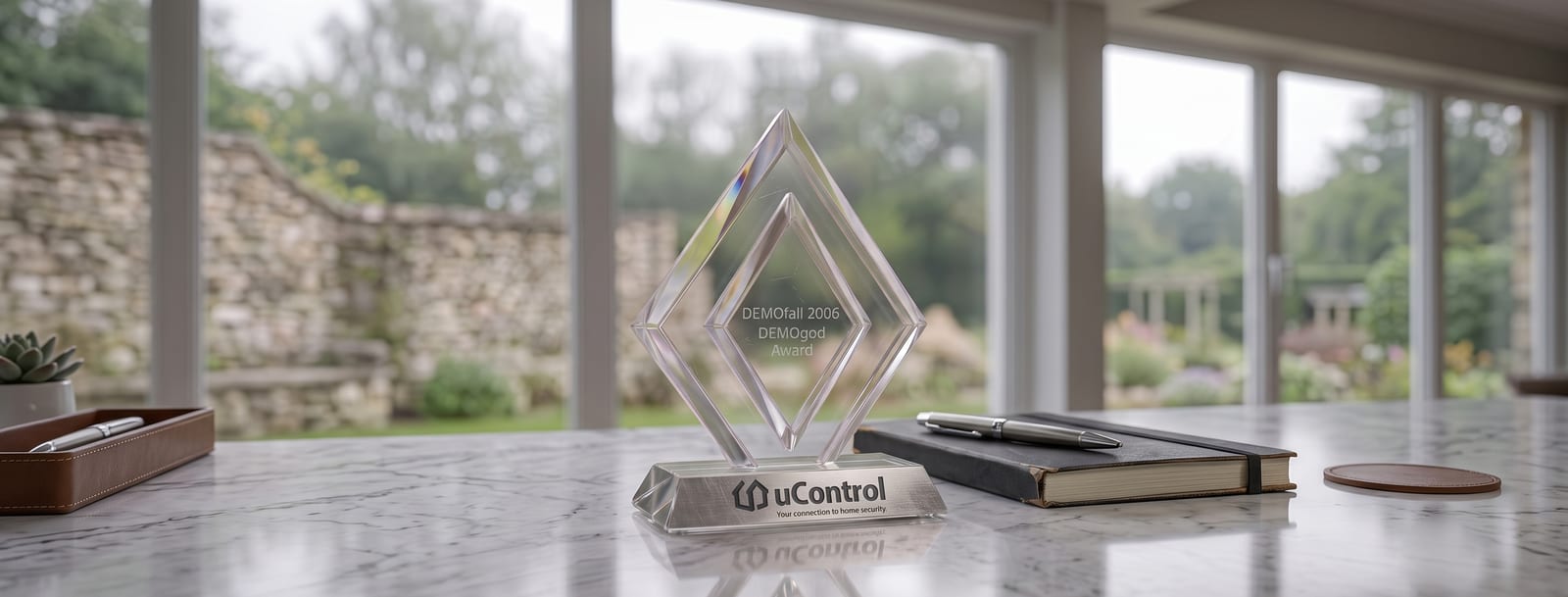
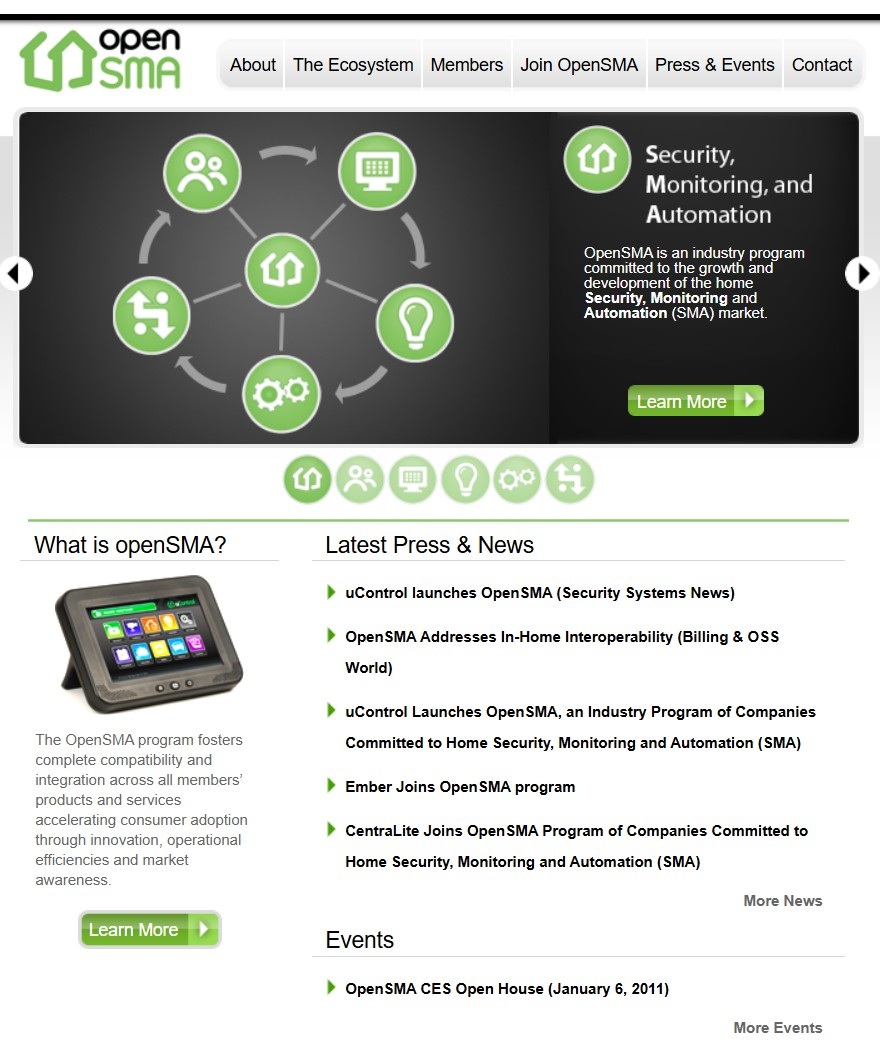
We were a product company from the first day, and the products were genuinely new. The uControl SMA Touchscreen, announced in 2008 and in Rogers pilot homes the same year, was the first all-in-one touchscreen alarm system; the design has since been copied by nearly every major vendor in the category, and a version of it sits on millions of countertops today. At DEMOfall 2006 we demoed the platform and took home a DEMOgod award. The invention pace never slowed, and the patent program we built to capture it became a story of its own.
The business model was the quieter innovation. We sold the platform to cable and broadband operators who wanted into the security market: Time Warner Cable, Rogers, Cox, and Comporium, all signed by a company of thirty people, all multi-year commitments with subscriber minimums. The operators got a modern product their telco rivals couldn't match. The incumbents got a preview of where their market was going.
The hardware lineage
-
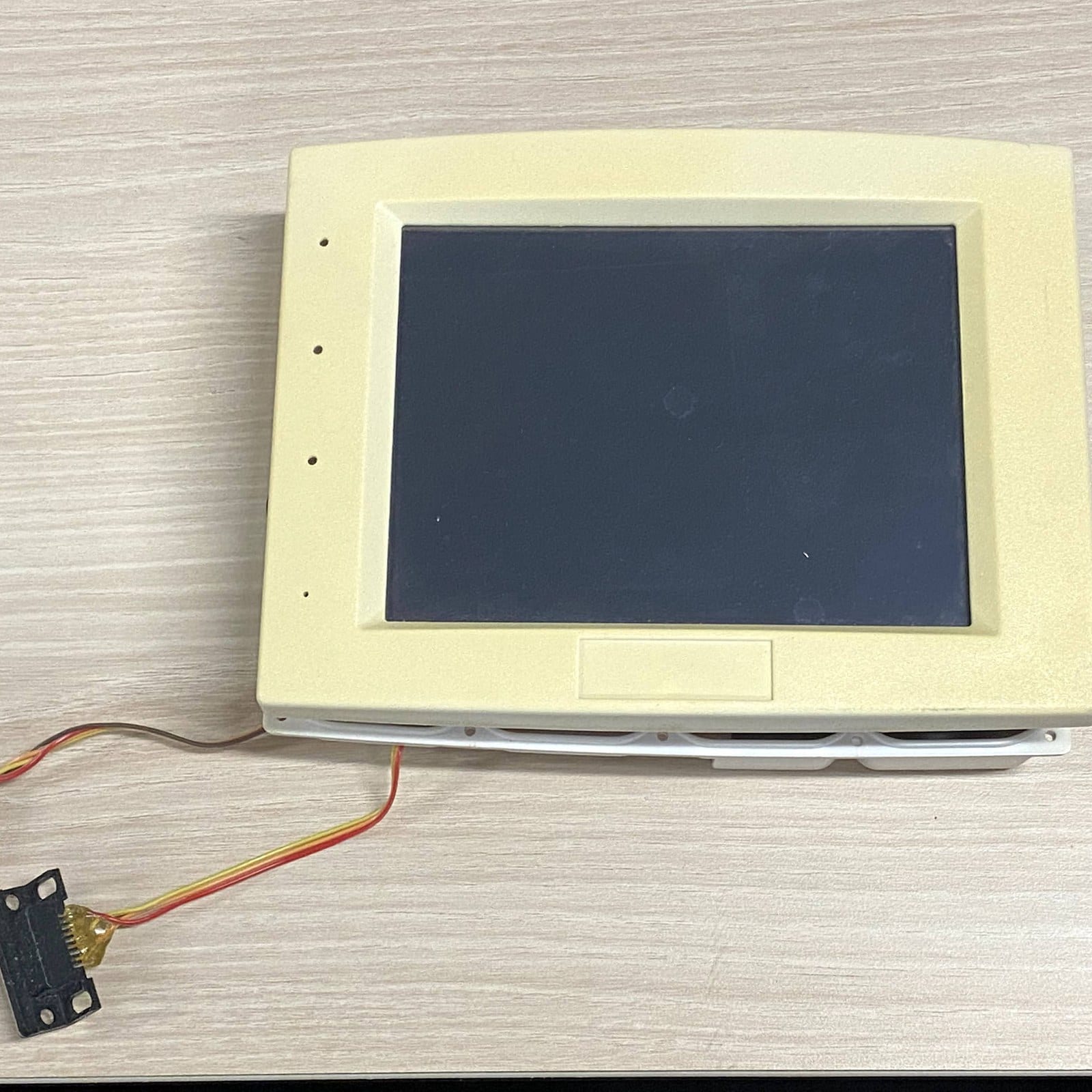
2006
-
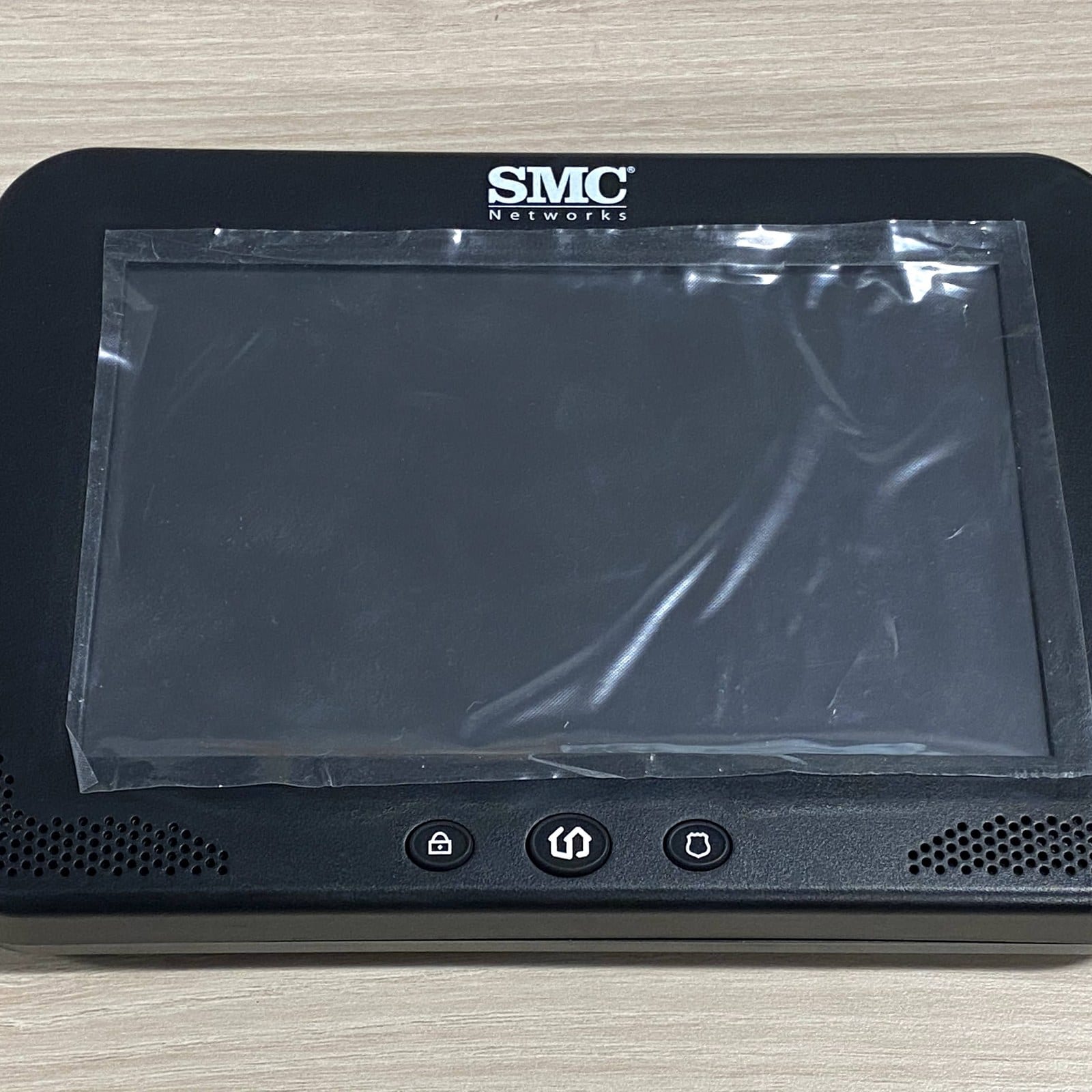
2007 — 2009
-
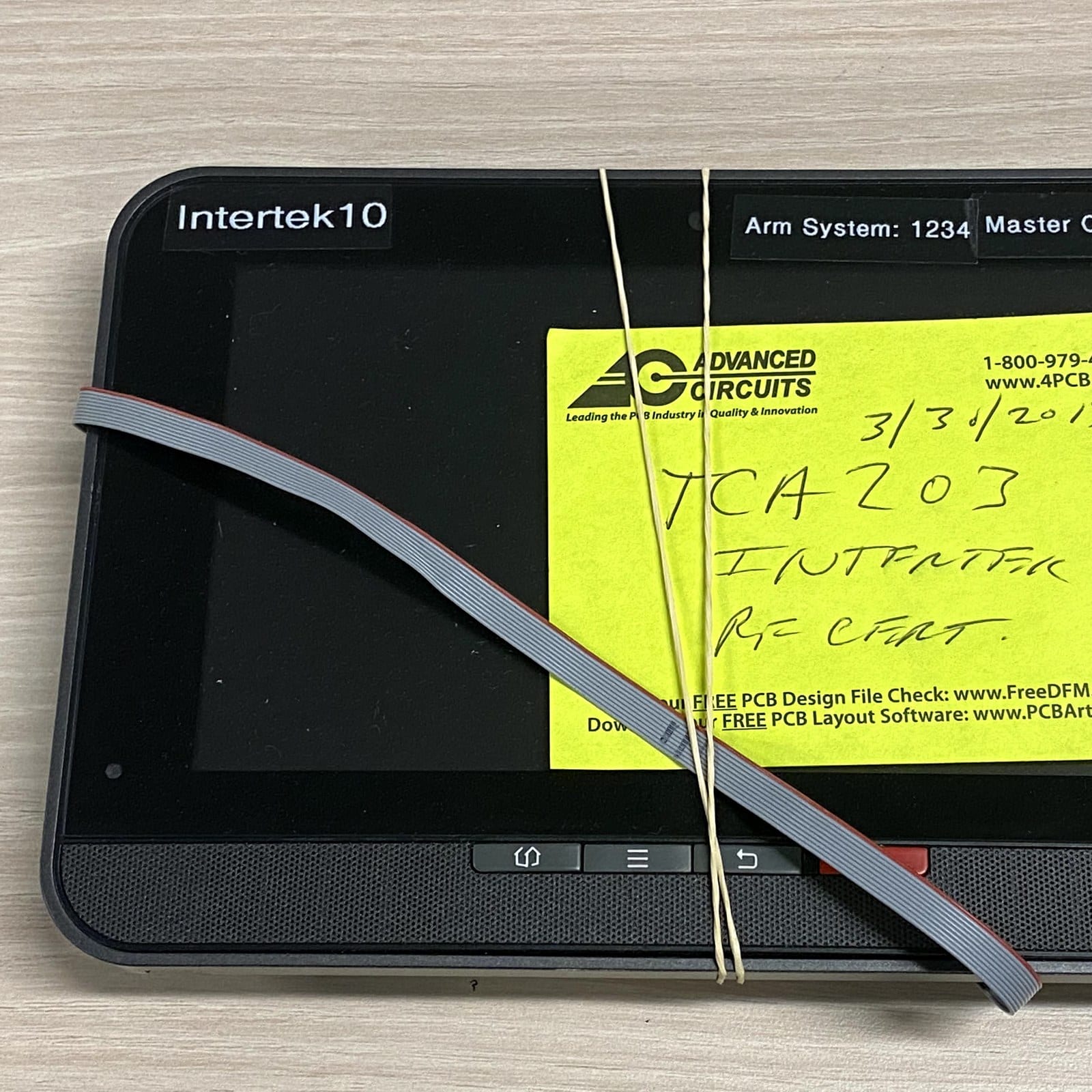
2012+
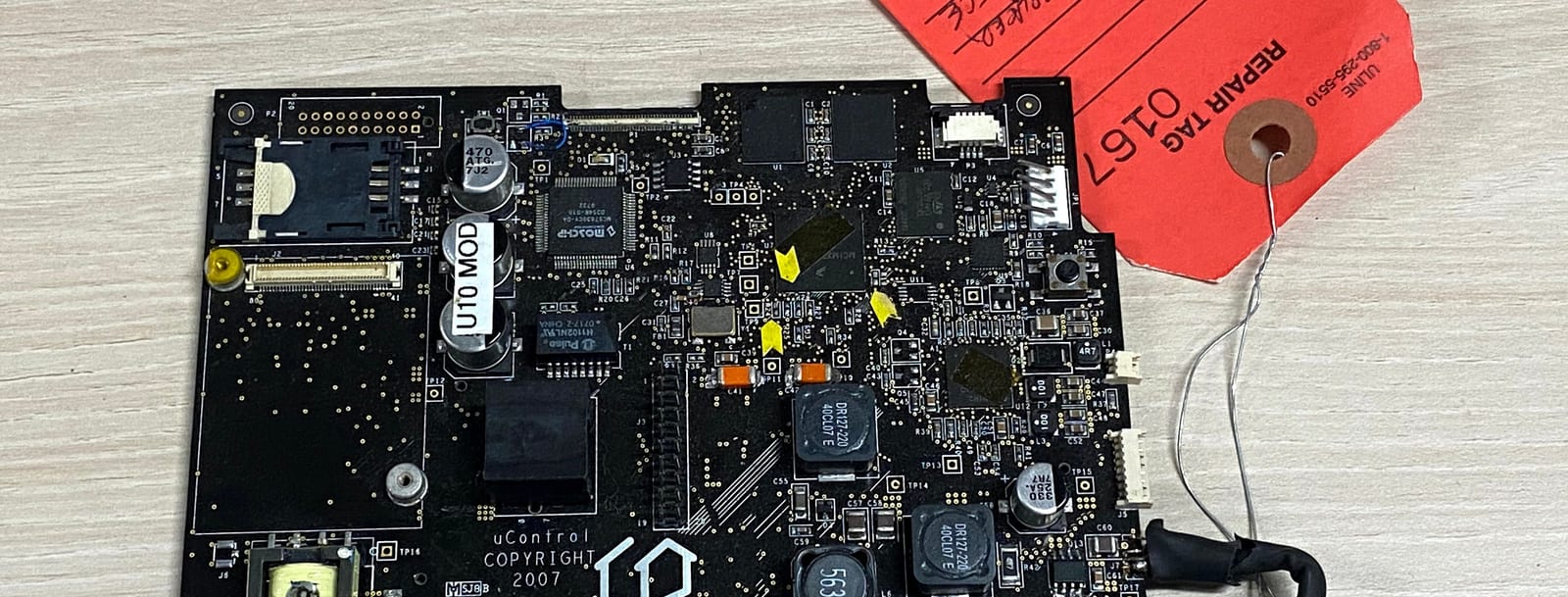
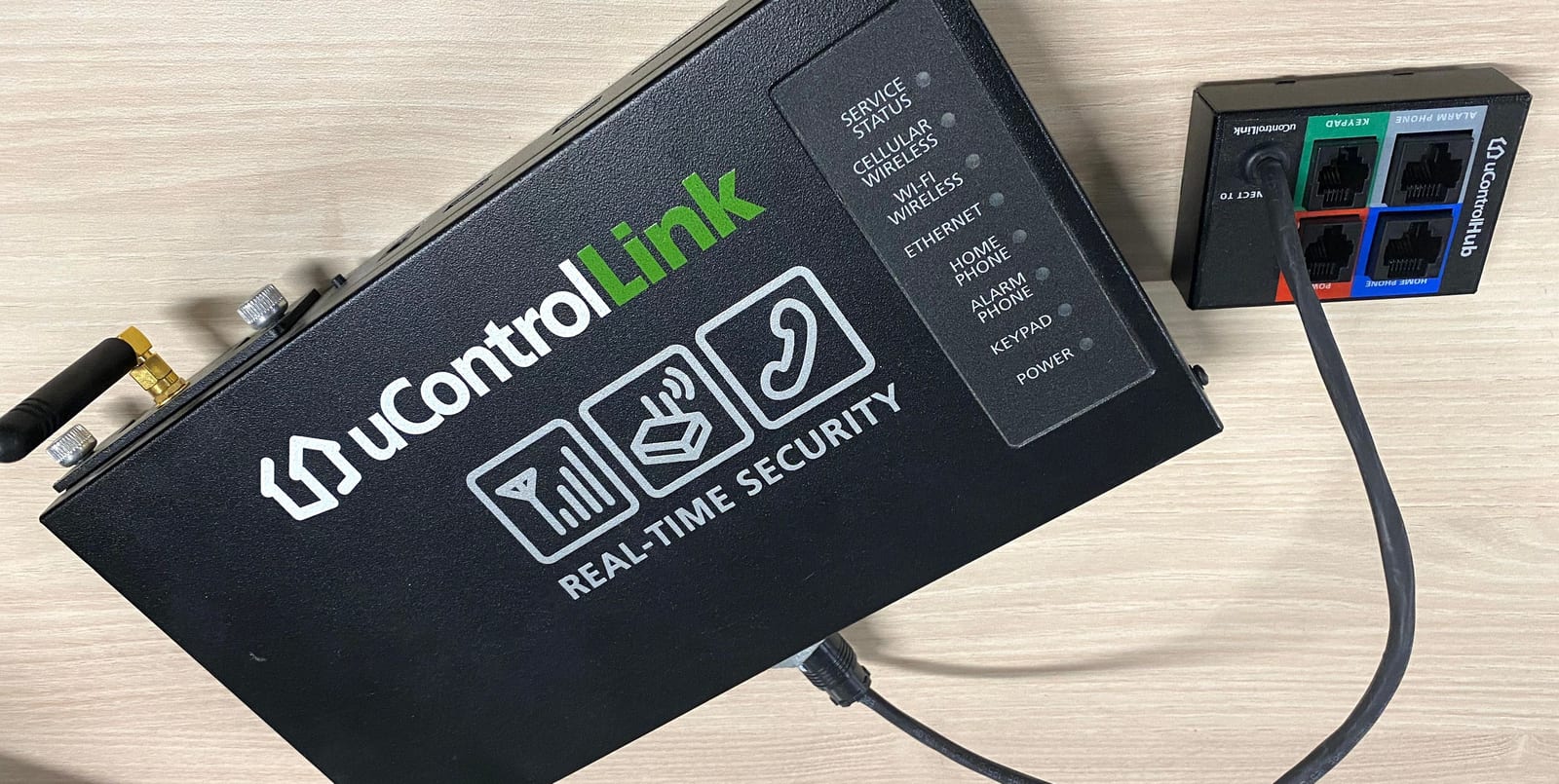
Three of the five generations of the line that began with the SMA Touchscreen. The last of them, the Technicolor TCA203, is where that lineage ends: the final generation designed before Comcast.
Then came the RFP that decided everything. Comcast ran a six-month evaluation for its national platform, and the finalists were us and iControl Networks, a competitor with twice our funding, twice our headcount, and Comcast's own venture arm on its cap table. We won with a product our customers understood instantly and the legacy market never believed was possible. The technology designed itself once we committed to what that product had to be: deployable at national scale, self-installable, remotely managed, and competitively open. Every one of those requirements was a lesson carried from Motive and years of working with broadband operators. The win forced the merger: forty-five days after the first phone call, we had an agreement to combine the companies, keeping the iControl name and its investor bench while the uControl team and platform carried the product forward.
The merged company scaled to about $250 million in revenue, turned profitable, and became the platform underneath the industry: ADT Pulse, Comcast's Xfinity Home, and operators across North America, Europe, and Asia-Pacific. By 2015, most new interactive home-security accounts in North America ran on it. In March 2017, Comcast acquired the company outright, then moved the ADT- and Piper-related assets to Alarm.com the same day. The next chapter began inside the buyer.
The instincts that won that RFP are the same ones that later ran a $750M+ P&L.